
October 3, 2026 · 3 min read
Famous Rebus Puzzles (and Their Answers)
The classic rebus puzzles everyone should know — each one shown, explained, and solved. A walking tour of the form's greatest hits.
Every rebus works the same way: pictures, letters, numbers, and positions stand in for words, and reading them aloud — in order — assembles a phrase. But a handful of constructions have become famous, passed around for decades because each one teaches a different trick of the form. Here are the classics, what they say, and how to read them.
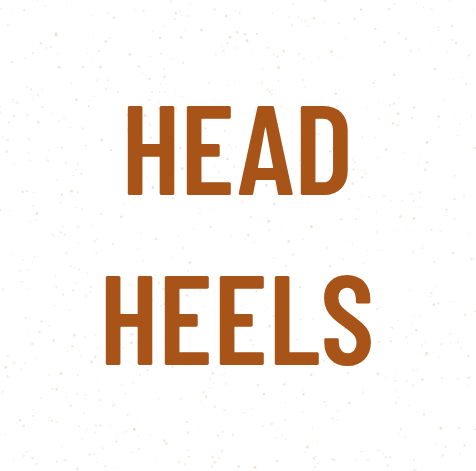
1. HEAD over HEELS — "Head over heels"
The word HEAD sits literally on top of the word HEELS. This is the rebus that teaches the single most important rule: position is language. Above, below, inside, between — where things sit is half the vocabulary.
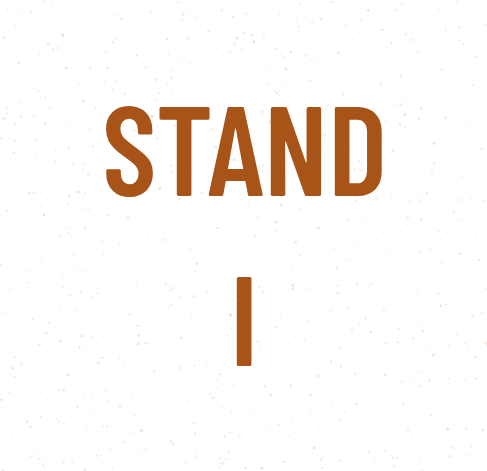
2. STAND / I — "I understand"
The letter I stands under the word STAND. Two tricks at once: a letter read as a word ("I"), and a position read as a preposition ("under"). This one is on one of our shirts, and it still catches people.
3. FAST split in half — "Breakfast"
BREAK + FAST: the word FAST gets broken in two. Splitting a word is the rebus way of saying "break" — the damage is the meaning.

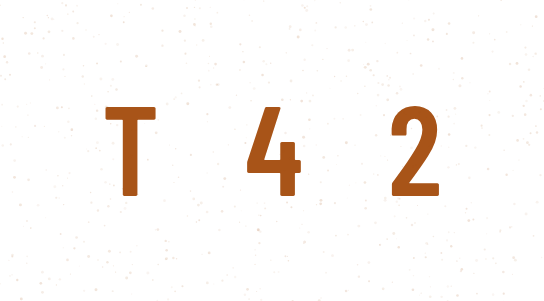
4. T 4 2 — "Tea for two"
Sound swaps are the oldest trick in the book: T = tea, 4 = for, 2 = two. Numbers and single letters earn their keep by sounding like words, not by meaning them.
5. A ROCK at the bottom of the frame — "Rock bottom"
Placement against the edges of the whole picture counts too. A rock drawn at the very bottom isn't decoration — it's the answer.

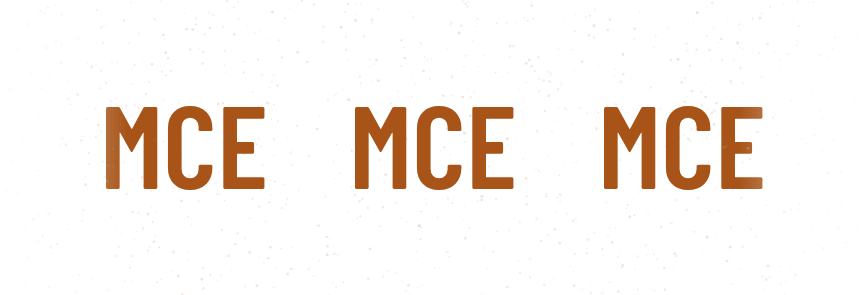
6. MCE MCE MCE — "Three blind mice"
Three copies of MICE, and each one is missing its I — its "eye." Three mice with no eyes: three blind mice. Repetition means counting, and a good rebus never wastes a copy — if there are three of something, the number is part of the phrase.
7. ECNALG — "Backward glance"
Read it right to left: ECNALG is GLANCE spelled backward. A word written in reverse says "backward" plus the word itself, so this one is a backward glance. Once you know the move, you'll spot it everywhere.

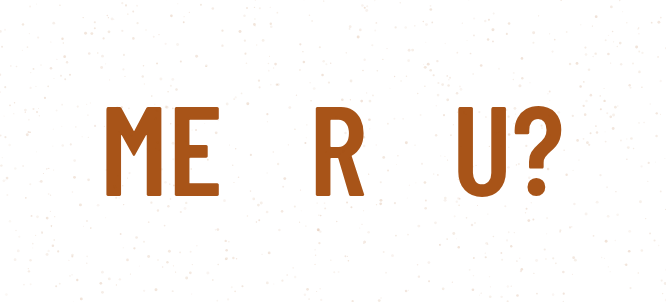
8. ME R U? — "Are you following me?"
Read the letters out loud: R sounds like "are," U sounds like "you." Now look at the order — R and U come after ME. So R U are following ME: "Are you following me?" Sound-alike letters plus position, in just four characters.
Why these endure
Notice that none of these are hard once you know the trick — and all of them are impossible until you do. That's the rebus bargain: the answer is always in plain sight, and the puzzle is teaching your eyes a new habit. Every great rebus adds one small move to the shared vocabulary: position, sound, repetition, damage, scale.
Make your own
We built a Rebus Generator that knows these classics by heart and can invent new constructions for your own phrases. Honest assessment: it's a work in progress. It nails the famous ones and does well with short phrases, and it's learning new tricks fast — but it will occasionally hand you something plain, or nothing at all. Try it, and if it stumbles on your phrase, that's useful information for us.
And if you'd rather wear a rebus than solve one — well. That's the whole store.
Get new puzzles?
Get new puzzles and Puzzle Journal posts by email, plus 10% off your first shirt.
No spam. Unsubscribe anytime.