
September 29, 2026 · 3 min read
Knights, Knaves, and the Trap of Familiarity
Part two: on an island where everyone either always lies or always tells the truth, the biggest danger for an AI is having seen the puzzle before.
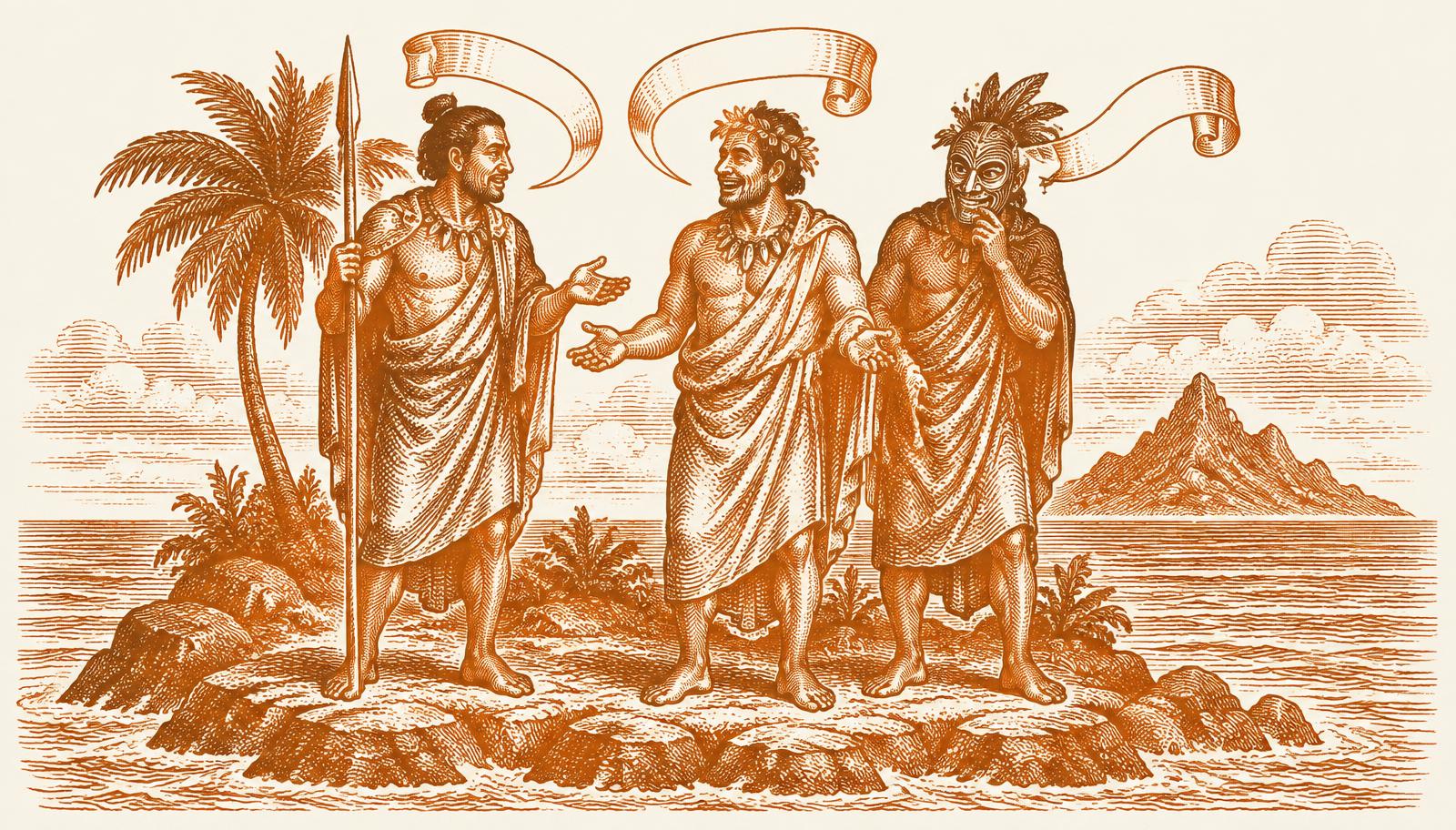
There is an island where every resident is one of two kinds. Knights always tell the truth. Knaves always lie. There is no third option, no white lies, no jokes. Everything you learn, you learn from what they say about each other.
It is one of the oldest formats in recreational logic, popularized by the mathematician and magician Raymond Smullyan, and it survives because it is beautifully fair: no trivia, no vocabulary, no cultural knowledge. Just consequences.
Try ours first
Three residents. Knights tell the truth, knaves lie.
Mara says: "Tobin and I are not the same type."
Tobin says: "Wren is a knave."
Wren says: "Mara is a knight."
Who is what? Work it out before reading on — the full reasoning lives on the puzzle page for Three Islanders.
How to solve one without guessing
The reliable method is assumption and collapse. Pick one character, assume they are a knight, and follow every consequence until the picture either completes or contradicts itself. If it contradicts itself, you have proved the opposite. Two passes usually settle a three-person puzzle.
A useful shortcut: statements about sameness are more powerful than they look. "We are the same type" is true only if both speakers are knights or both are knaves — and a knave saying it makes it false, which tells you the pair is mixed. One sentence, half the puzzle.
Where the machines slip
Here is the strange part. Knights and knaves puzzles are all over the internet, which means language models have seen thousands of them. You would expect that to be an advantage. It is often the opposite.
In a 2024 study, researchers at Google and the University of Illinois Urbana-Champaign trained and tested models on slight variations of these puzzles. When the wording nearly matched something familiar, models had a habit of answering the remembered version rather than the one in front of them — sailing past the one word that had changed.
That is worth sitting with, because it is a very human failure wearing a machine's clothes. Anyone who has misread a form because they have filled out forty like it knows the feeling. The difference is that a person who slows down can catch it. A model has no sensation of having rushed.
Why it matters beyond the island
Truth-teller puzzles are a miniature of something we do constantly: judging claims by their consistency rather than by checking each one directly. You rarely have the facts. You have several accounts that can't all be right, and you work out which arrangement holds together.
That skill doesn't come from memorizing answers. It comes from practicing the collapse — assume, follow, contradict, reverse.
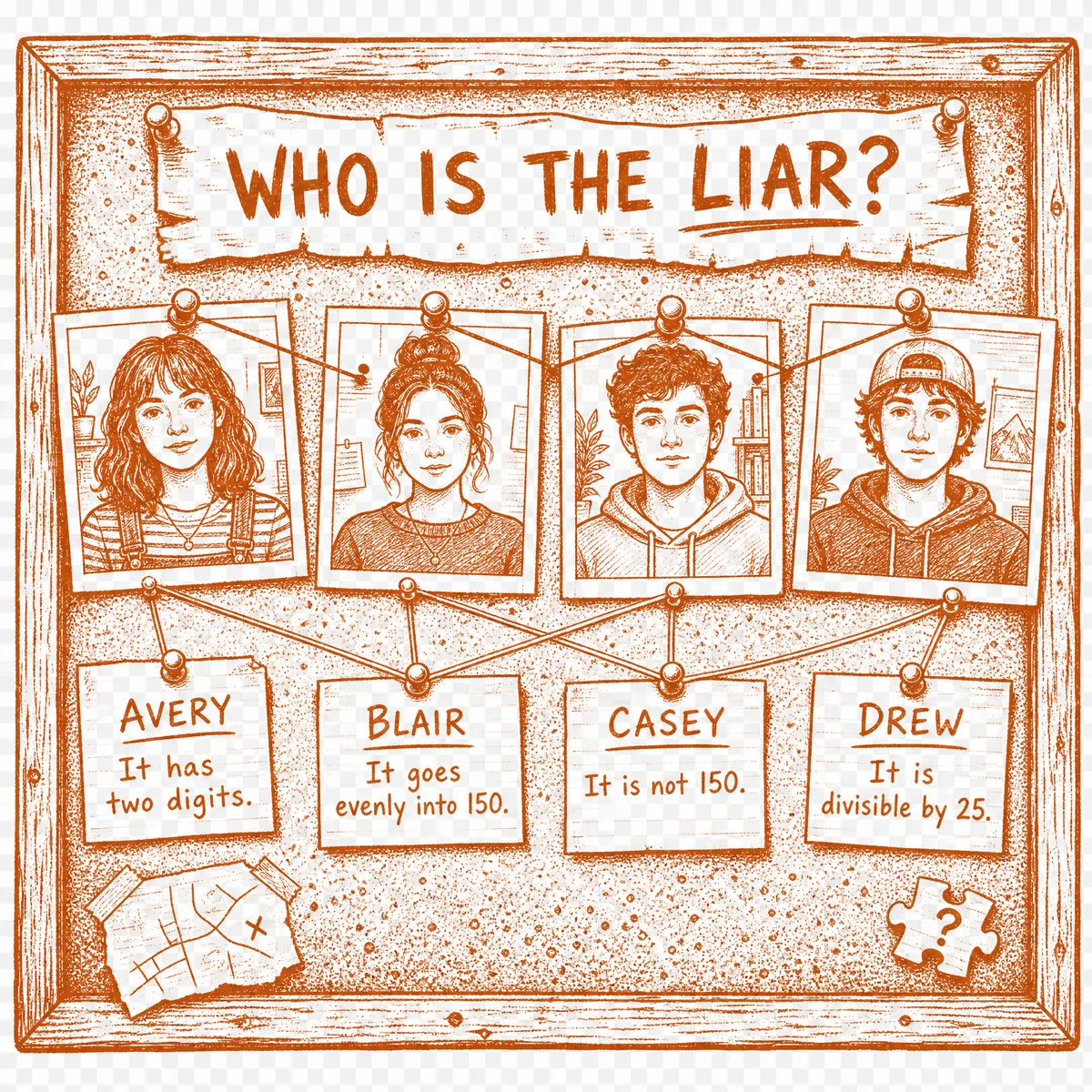
If you'd like one on your chest, Who Is the Liar? is our two-guard classic, and it starts more conversations in a coffee queue than anything else we print.

The research described here is discussed in "Can you outsmart AI?" by Grace Huckins, MIT Technology Review. The puzzle above is our own.
Get new puzzles?
Get new puzzles and Puzzle Journal posts by email, plus 10% off your first shirt.
No spam. Unsubscribe anytime.