
September 18, 2026 · 6 min read
Rebus Puzzles: What They Are, Where They Came From, and Why We Still Love Them
A rebus hides a phrase in plain sight using pictures, letters, and position. How they work, a 3,000-year history, three classic examples explained, and the rebus we put on a shirt.
Some puzzles make you work. A rebus just makes you look again. The answer was never hidden — it was sitting there in plain sight, spelled out in a way your eyes skipped right past. That tiny delay between confusion and recognition is the whole pleasure of the form, and it's why rebus puzzles have survived for roughly three thousand years without ever needing an instruction manual.
What is a rebus puzzle?
A rebus is a picture-and-letter puzzle that spells out a word or phrase using position, sound, and imagery rather than ordinary spelling. Instead of reading the letters, you read what the letters are doing.
Three simple devices do nearly all the work:
- Sound substitution. A picture or letter stands in for a sound. The letter C becomes "see." A drawing of a bee becomes "be."
- Position. Where something sits on the page is part of the sentence. Above, below, inside, beside, repeated, missing — each one is a word you're expected to say out loud.
- Alteration. A word printed backwards, upside down, broken in half, or crossed out tells you to add "backward," "over," "split," or "no."
The name comes from the Latin rebus, meaning "by things" — literally, communicating by objects instead of by words. Once you know that, the whole genre makes sense.
A very short history
The idea is older than the alphabet. Egyptian hieroglyphs used the rebus principle to write names and abstract ideas: draw something easy, borrow its sound, ignore its meaning. Sumerian cuneiform did the same. Without that trick, writing systems would have stalled at pictures of oxen and jars.
Rebuses reappeared in medieval heraldry as canting arms — coats of arms that punned on a family's name — and in the personal marks of printers and merchants. In 16th-century Picardy, France, clergy produced satirical pamphlets called rebus de Picardie, which is where the modern word entered English.
The Victorians turned the rebus into a parlour game. Puzzle columns, valentines, calling cards, and children's primers were full of them. Lewis Carroll wrote rebus letters to children. By the 20th century the form had settled into newspapers, cereal boxes, and eventually the televised word-puzzle games that made them familiar to everyone.
And then it happened again. Emoji are a rebus system — 🐝 + 📄 has to be read, not spelled — which makes the average phone user fluent in a puzzle form older than the Rosetta Stone.
Three classic rebus puzzles, explained
These three have been circulating for over a century. If you've ever seen a rebus, you've probably seen at least one of them.
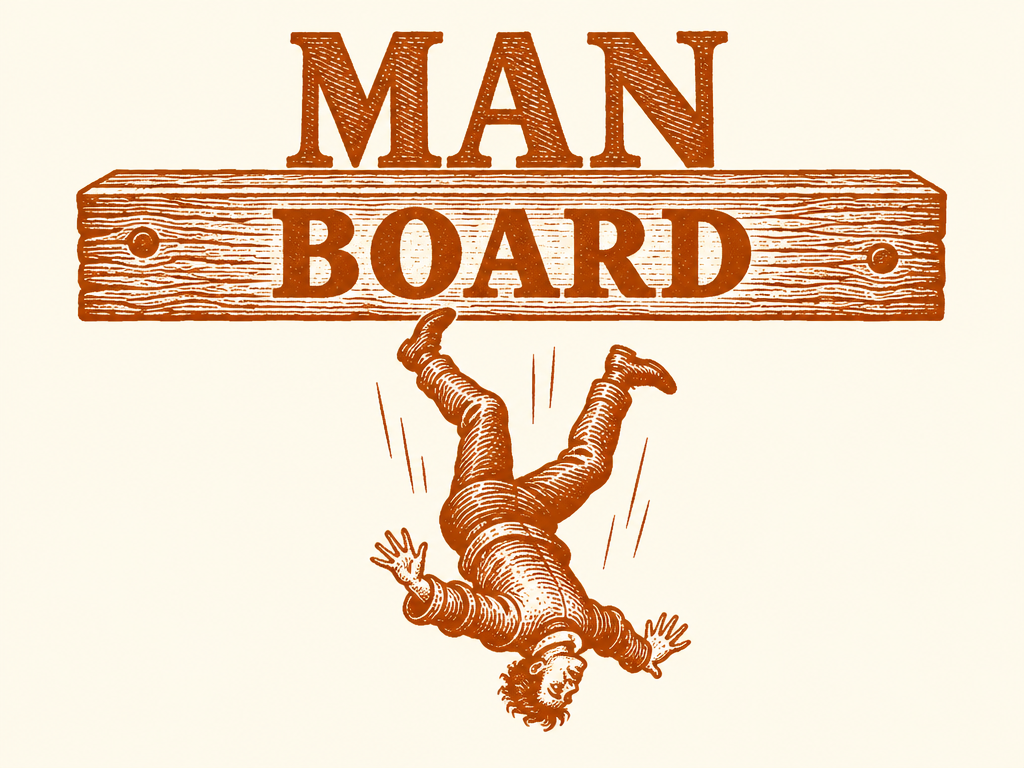
1. MAN over BOARD
Answer: Man overboard. This is the purest positional rebus there is. Nothing is misspelled and nothing is disguised — the word "over" is never printed, because the layout says it for you. Read top to bottom and the phrase assembles itself: MAN, over, BOARD.
2. HEAD over HEELS
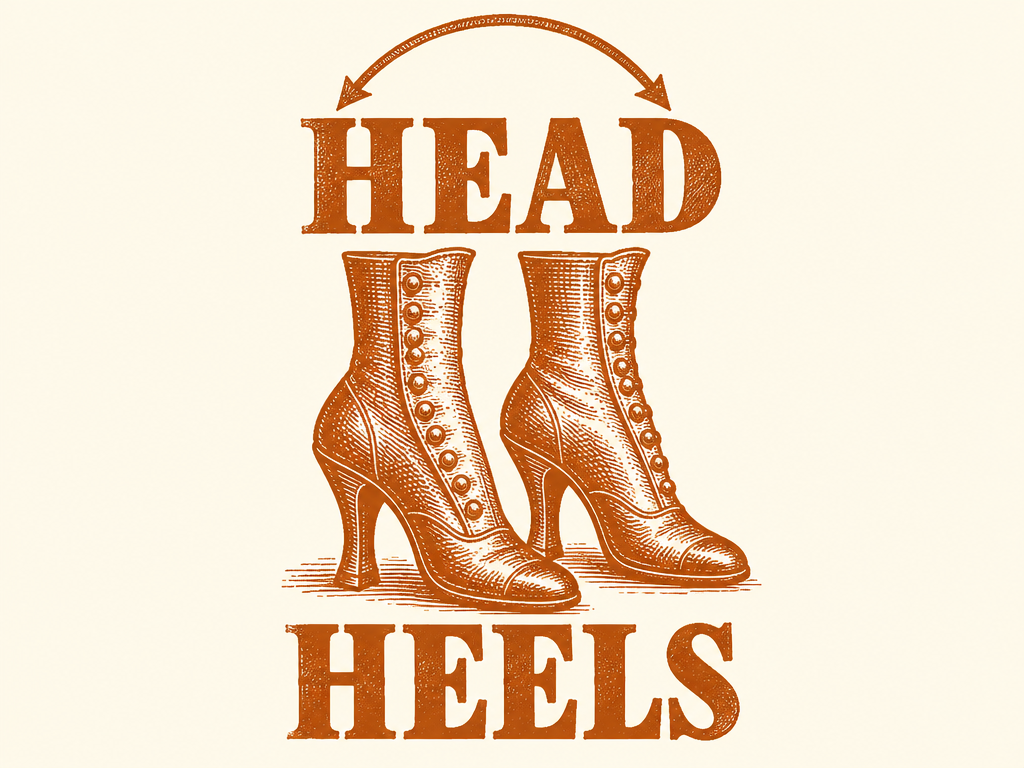
Answer: Head over heels. The same positional trick, with a joke buried inside it. The phrase originally ran "heels over head," which is the way a person actually tumbles; a few centuries of misquotation flipped it. The rebus quietly restores the logic — the stacking is correct even though the idiom isn't.
3. STAND over I
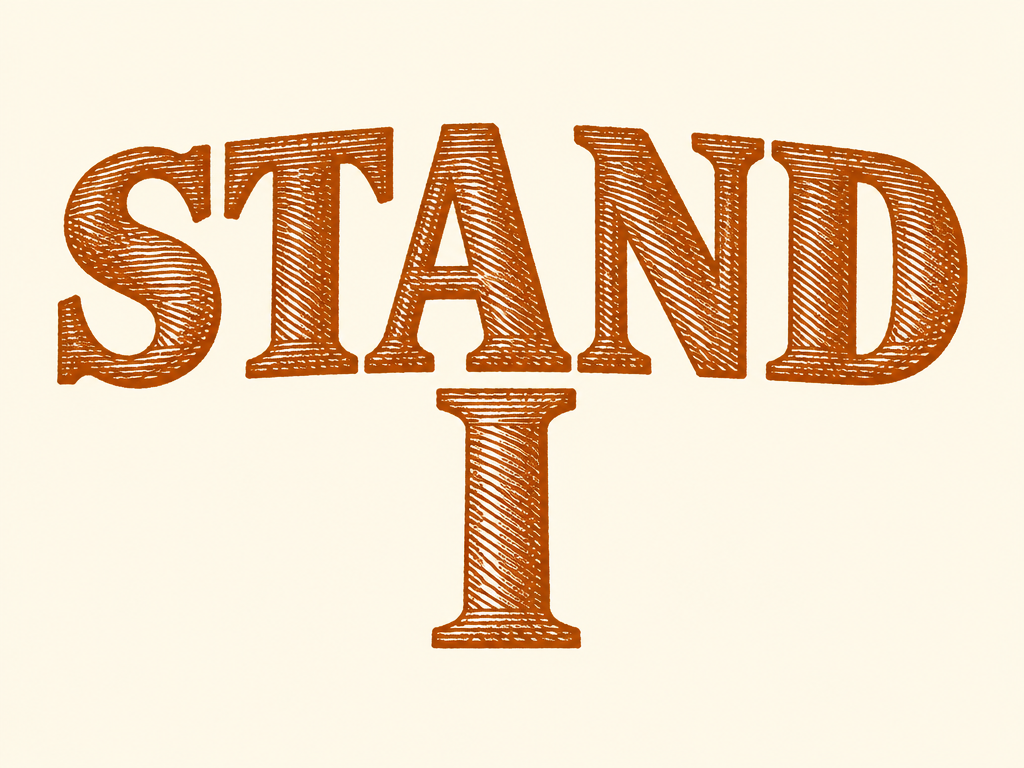
Answer: I understand. A Victorian favourite, and the one that teaches the grammar of the whole form. The I is under the word stand: I-under-stand. Once this one clicks, you stop reading rebuses left to right and start reading them as a little map.
Where rebus puzzles show up
- Newspaper and magazine puzzle pages, where they've lived since the 1800s.
- Game shows and party games built entirely on hidden-phrase puzzles.
- Classrooms. Teachers use them for phonics, idioms, and vocabulary, because a rebus forces a child to hear a word rather than recite it.
- Brand marks and logos, which are often rebuses wearing a suit.
- Aptitude and interview tests, as a quick read on lateral thinking.
- Escape rooms, treasure hunts, and geocaching, where a rebus makes an elegant single-glance clue.
- Group chats, every time someone answers in emoji.
Who likes them, and why
Rebus puzzles have an unusually wide audience: children learning to read, commuters killing ten minutes, teachers, quiz-night regulars, escape-room designers, crossword solvers looking for a palate cleanser. The reason is that a rebus has almost no barrier to entry and almost no ceiling on cleverness.
A few things explain the staying power:
- No knowledge required. A crossword rewards trivia. A rebus rewards noticing. Nobody is excluded for not knowing a capital city.
- The solve is instant and total. There's no partial credit and no grinding — you either don't see it, or you suddenly do. Psychologists call that abrupt shift the aha moment, and it comes with a genuine hit of satisfaction.
- It's a legitimate mental workout. Solving one means overriding your automatic reading habit and re-parsing the same marks a different way. That's cognitive flexibility, exercised in about eight seconds.
- They're social. Watching someone else fail to see what you just saw is half the fun — and rebuses are short enough to share out loud.
- They're fast. A good rebus fits on a napkin, a card, or the back of a shirt.
That last point is the one we kept coming back to.
Our rebus: "Are You Following Me?"
A rebus needs an audience, and the best place to find one is the eight feet of space directly behind you — in a queue, on a trail, on an escalator. So we put one on the back of a shirt.

The answer: "Are you following me?"
Here's how it comes apart. The letter R, said aloud, is "are." The letter U, said aloud, is "you." And those two letters are placed behind the word ME — they are literally following it. Sound out the letters, then read the positions, and the sentence assembles itself: R U following ME.
It uses all three rebus devices at once — sound substitution for the R and the U, position for "following," and a plain word to anchor it — which is why it reads instantly once it clicks and stays invisible until then.
The design is printed large on the back, with our logo on the front. Every PuzzleWhere tee carries a QR code that opens that puzzle's own page, where the wearer (or the curious stranger) can pull up a hint, reveal the answer, and tell us whether they got it. The shirts are garment-dyed Comfort Colors 1717 — heavyweight ring-spun cotton, soft-washed, relaxed fit — printed in small runs.


It's a conversation starter that does its own talking. Somebody reads your back, works it out, and says something — which is more or less the entire business plan.
See the "Are You Following Me?" tee →
Try making your own
Pick a phrase with a spatial word in it — over, under, between, around, inside, after. That word is the one you'll never print. Lay the rest out so the page says it for you, then hand it to someone without explanation. If they squint for five seconds and then laugh, you've written a good one.
More rebus puzzles, with hints and worked answers, are waiting on our rebus puzzles page.