
October 3, 2026 · 2 min read
The Evergreen Game: Introducing Our Classic Games Puzzle Series
A legendary 1852 chess finish becomes the first PuzzleWhere Classic Games tee—and the beginning of a series built around authentic moments from games worth remembering.

Some games outlive the people who played them. Their decisive moments are replayed, argued over, and remembered long after the result itself stops mattering. Those are the moments behind Classic Games, a new PuzzleWhere series built around authentic positions from famous games.
A game on the shirt—and a question
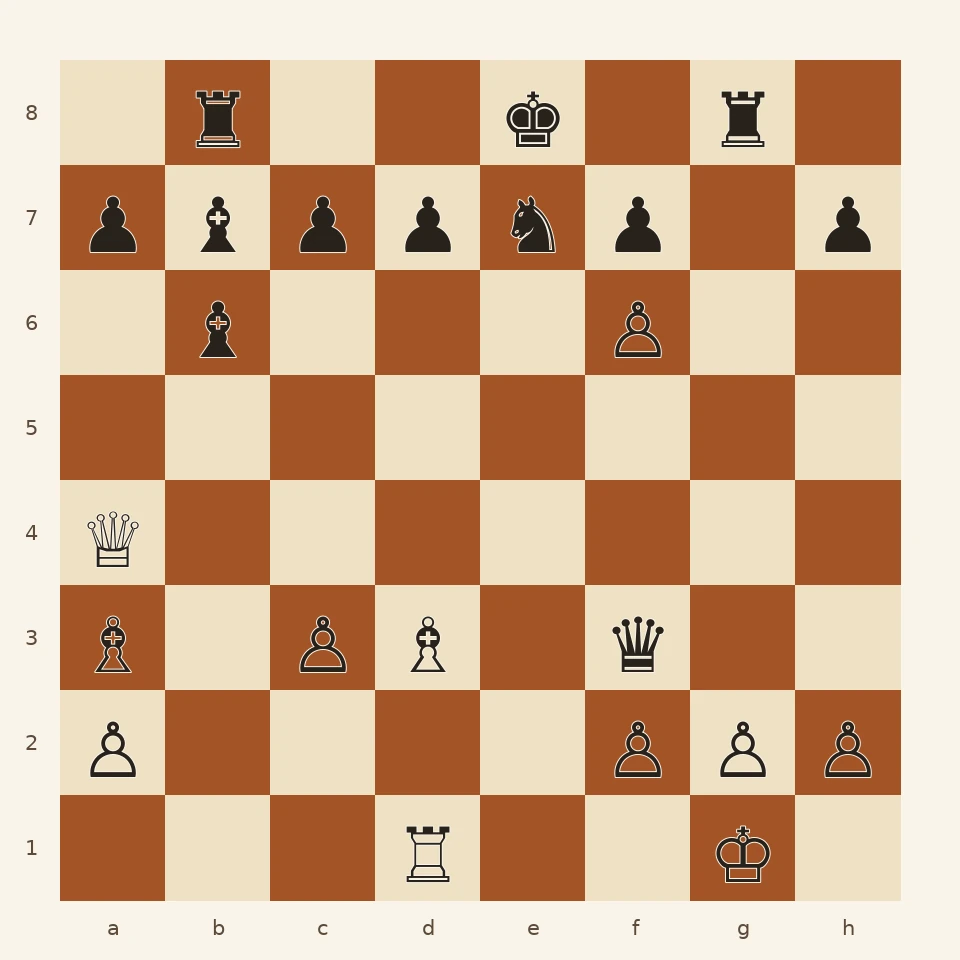
The first design in the series is The Evergreen Game, played by Adolf Anderssen and Jean Dufresne in 1852. The shirt does not merely decorate a chessboard. It preserves the exact position immediately before the final move and asks the wearer—or whoever notices it—to find mate in one.
Try the Evergreen Game puzzle before reading the finish.
Why this game?
Anderssen was the leading tournament player of his era, and the Evergreen Game captures the attacking ideals of nineteenth-century chess. It begins with the Evans Gambit: White offers a pawn for speed and initiative. The attack grows through a knight sacrifice, a rook sacrifice, and one of the most famous queen sacrifices in the game's history.
The combination is beautiful without being mythology. Modern analysis shows that Black had better defenses and that every attacking move was not objectively perfect. That makes the game more interesting, not less. It is a human masterpiece—bold, risky, and precise when precision mattered most.
The position that became a classic
After 20. Rxe7+ Nxe7, Anderssen plays 21. Qxd7+. Black must answer 21...Kxd7. The checks continue: 22. Bf5+ Ke8, 23. Bd7+ Kf8, and then 24. Bxe7#.
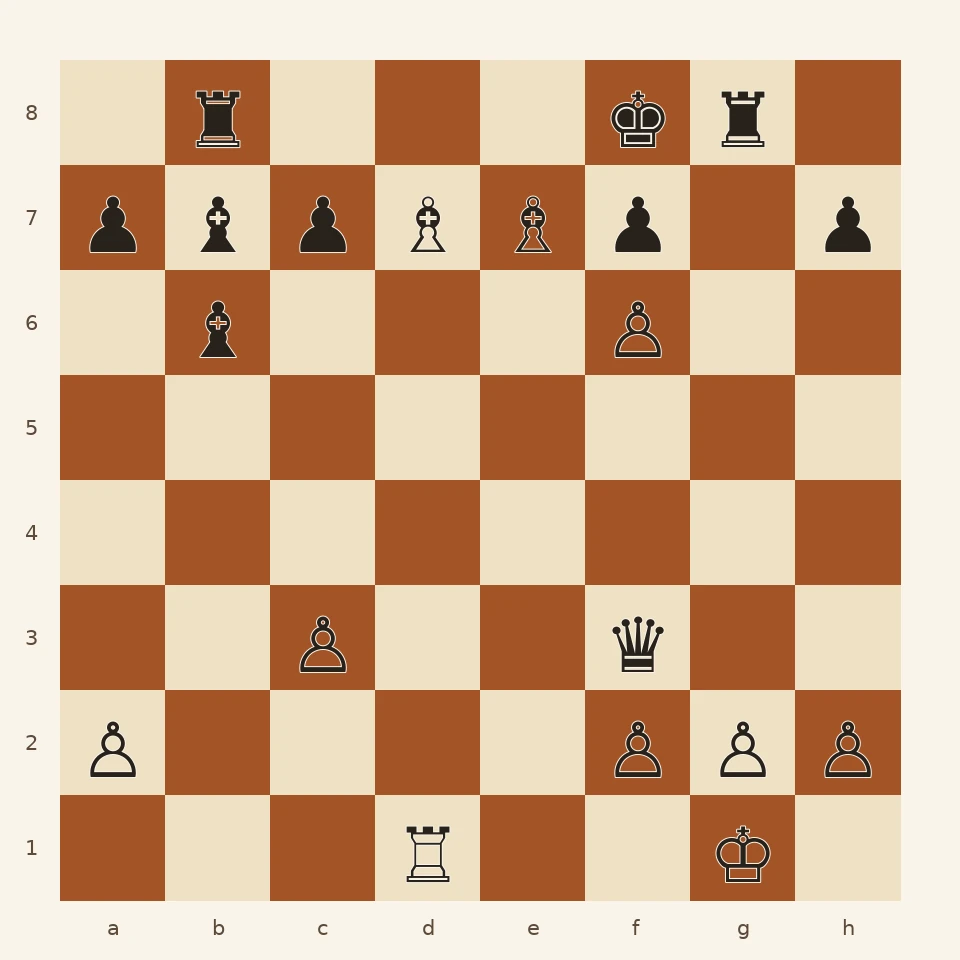
Wilhelm Steinitz later praised 19. Rad1 as “an evergreen in the laurel crown” of Anderssen. The name stuck. One historical detail deserves care: although the game is almost always labeled Berlin, 1852, the earliest known publication gives neither a venue nor an exact playing date. The familiar Berlin attribution appears to be a later inference.
What Classic Games will be
This series is not limited to chess. The idea is broader: take a real, famous moment from a game, preserve it honestly, and turn it into a challenge people can wear. The position has to be authentic. The question has to be fair. The story has to be worth following after the answer is found.
That may mean another historic chess combination, a decisive play from a different board game, or another position whose meaning changes once you know the story behind it. The Evergreen Game is where the series begins.
See the whole game
Our detailed feature reconstructs the encounter through eight exact board positions, includes the complete move score, explains the sacrifices, and identifies what the historical record can—and cannot—confirm.
Explore the complete Evergreen Game, move by move.
See the Classic Games: Evergreen Game puzzle tee.

Get new puzzles?
Get new puzzles and Puzzle Journal posts by email, plus 10% off your first shirt.
No spam. Unsubscribe anytime.